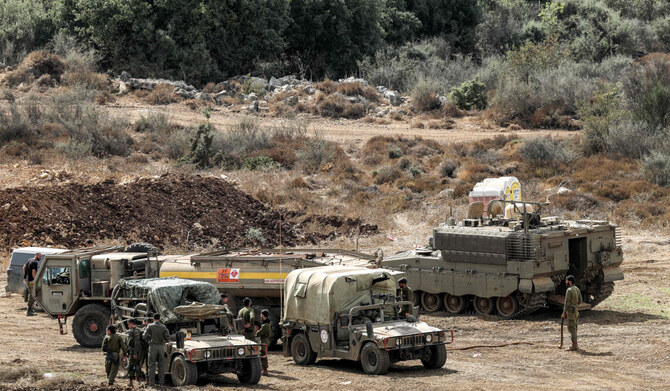
In a significant escalation of tensions in the region, the Israeli military has issued an order for Lebanese civilians residing north of the Awali River to evacuate. This directive follows an increase in cross-border hostilities between Israel and Hezbollah, the Lebanese militant group, sparking concerns about a broader conflict.
Background of the Conflict
The directive comes at a time when tensions between Israel and Hezbollah have intensified. Over the past few weeks, there have been sporadic clashes along the Lebanon-Israel border, with both sides exchanging rocket fire and artillery shells. The Awali River, located just north of the southern Lebanese city of Sidon, is seen as a critical geographic marker in the region. Israel’s decision to order the evacuation of civilians suggests a possible military maneuver in the area, raising fears of further escalation.
Impact on Lebanese Civilians
Lebanese civilians living in the affected area are now faced with the difficult task of leaving their homes amidst growing uncertainty. Many residents in towns and villages near the Awali River have been packing up their belongings, uncertain of when they might be able to return or what may become of their homes and livelihoods. The Lebanese government has urged calm, but the rapid pace of developments has left many citizens worried about their safety.
International Reactions and Concerns
The international community has expressed deep concern over the situation. The United Nations has called for both sides to exercise restraint and avoid actions that could lead to an all-out conflict. Countries like France and the United States have urged Israel to respect international law, particularly the need to protect civilians in conflict zones. On the other hand, Hezbollah has condemned the Israeli military’s move, calling it an act of aggression and vowing to resist any incursions.
Possible Outcomes
The situation remains highly volatile, with no clear resolution in sight. While Israel has maintained that the evacuation order is aimed at ensuring civilian safety, many fear it could be a precursor to a larger military operation. Hezbollah’s response and further actions by regional powers like Iran, which backs the militant group, could significantly influence the next phase of this conflict. Diplomats are working behind the scenes to prevent a full-scale war, but the region stands on edge as hostilities threaten to spiral out of control.
Conclusion
As the situation along the Lebanon-Israel border continues to evolve, the order for civilians to evacuate north of the Awali River marks a pivotal moment. With the risk of further violence looming, both Lebanese residents and the international community are watching closely to see whether diplomatic efforts can de-escalate the situation or if the region will plunge into deeper conflict.
 Exam News
Leave a comment